Utility Billing Trends
In 2025, municipal billing is no longer as simple as sending on-time invoices, resolving payment issues and answering consumer questions.
With the recent explosion of AI necessitating massive new infrastructure and data centers, utility companies and municipal systems must now embrace the complicated intersection of evolving technology, changing consumer expectations and increasing operational demands.
This guide will explore these trends and how they impact things like municipality billing, customer interactions and operational efficiency.
Get Familiar With Billing Systems
Utility Trends of 2025
Many industries experience unprecedented change in today’s digitally oriented landscape, including the utility sector.
Digital-First Customer Experiences
Customers expect seamless online experiences from everyone they do business with — not just retailers and e‑commerce brands, but their utility providers, too.
Consider how to harness these recent digital customer experience trends.
- Improve digital self-service and boosting app engagement: Create seamless digital billing by increasing accessibility, improving AI-based communications and optimizing websites and apps for different devices.
- Personalization: Tailoring customer communications is one of the most effective billing trends of 2025. In one survey, 96% of digital professionals said they believe AI personalization is essential for creating high-quality customer experiences.
- Provide seamless digital communication streams: Invest in efficient support services, chatbots and quick online access to real people to keep consumers satisfied.
- Digital account management: Many people prefer to manage their utility accounts online, from checking their monthly usage to setting up automatic bill pay. Utilities can elevate the customer experience and build lasting trust by offering intuitive online and in‑app tools.
Data Integration and Automation
Data integration and automation are essential components of the utilities industry, spurred by increasing climate risks, evolving regulatory requirements, changing consumer expectations and a need for improved operational efficiency.
Americans depend on a reliable, uninterrupted supply of utilities, and smart technologies like data integration and automation are essential for strengthening industry resilience. These same tools are equally critical in billing, where they streamline processes, reduce errors and improve the customer experience.
Notable developments include the following.
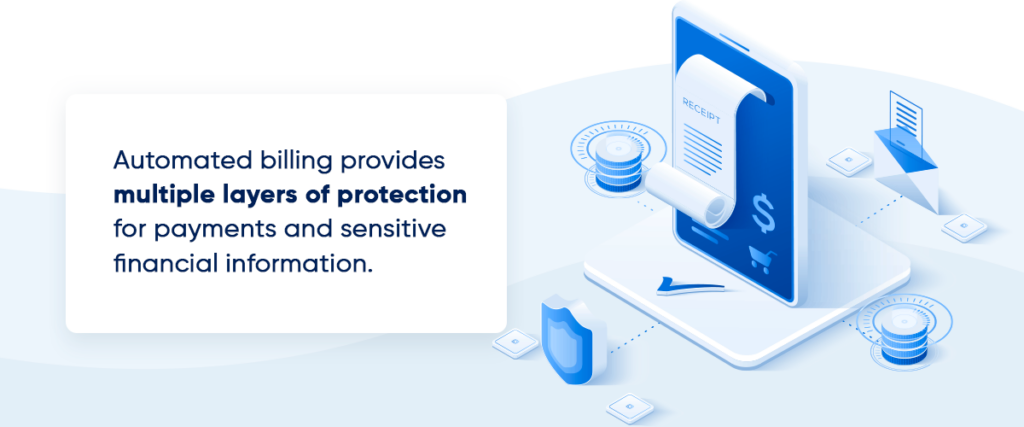
- Streamlined billing software: Automated billing provides multiple layers of protection for payments and sensitive financial information.
- Drones: Integrated data collection and management lets you identify issues sooner. Drones can inspect power lines at speeds of up to 40 mph, making them more efficient than traditional inspection methods. Drone inspections reduce equipment failures and downtime, minimize outages and lower inspection costs. Streamlined operations often increase customer satisfaction and lead to timelier payments.
- Customer support and communications: AI can absorb a wealth of information from documents in seconds, streamlining client communications that would otherwise take hours to complete manually. Automation can speed up formerly time-consuming tasks like invoice processing and responding to customer queries.
Regulatory Compliance and Transparency
Regulatory compliance is a rapidly changing landscape, particularly in the utilities sector.
- Consumers value candor more than ever: Transparency is a nonnegotiable that contributes to consumer loyalty, business growth and other competitive advantages.
- Increasing focus on sustainability: Many regulatory changes stem from the increasing pressure for environmental sustainability. Consumers want to know how their everyday choices impact the environment. For example, new mandates from the Environmental Protection Agency include updated greenhouse gas standards.
- More consumer awareness: Consumers are more interested than ever about the sources of their power and their utilities usage. Increased awareness places more pressure on companies to provide honest reporting, break down spending, clarify the environmental impact of utility use and prove compliance with federal billing and environmental requirements.
Flexible Payment and Assistance Programs
Recent affordability concerns drive the focus on flexibility, which also stems from a need to minimize disconnection from vital resources and a drive to make utilities more accessible for all.
Here are some utility payment trends to be aware of.
- Increased past-due balances: Due to inflation and rising energy prices, more U.S. consumers struggle to pay their utility bills, with late payments and past-due balances on the rise.
- Customization of payment options: Utilities companies are giving consumers more of a say in how and when they pay their bills. For example, some providers let customers pick their due dates to align with their budget.
- Levelized payments: Many companies allow consumers to spread their costs throughout the year by paying an average amount every month.
- Percentage-of-income payment plans: Some utilities companies make energy more accessible by offering percentage-of-income payment plans, which cap consumers’ bills at a percentage of their income.
Challenges for Municipalities
Obstacles facing municipalities in 2025 include:
- Resistance from customers: As the cost of living steadily increases, customers are growing increasingly resistant to rate increases and billing changes.
- Ensuring affordability: Despite limited funding, it is the responsibility of municipalities to ensure utilities are accessible and affordable for all their residents.
- Increasing regulations: Developing regulations and reporting requirements, although positive steps toward a more ethical future, can be tough to comply with and bring logistical challenges.
- Legacy systems and siloed data: Many municipal utilities still rely on outdated and error-prone IT systems, which are disadvantaged due to manual workflows, as well as fragmented data that is spread across departments, such as asset management, customer services and billing.
Streamline Your Utility Billing Process With Muni-Link
Utility billing is more than a back-office function — it has become a critical touchpoint that reflects a commitment to transparency, customer service and operational excellence. With input from our experts, Muni-Link has developed a modern, streamlined payment collection solution that can help municipalities accelerate productivity, enable high-level data security and provide exceptional service.
Our cloud-based utility billing software enables municipalities and local counties to manage customer accounts and billing processes digitally and in one place. Visit Muni-Link Account Central to effortlessly monitor contact information and payments from one screen.
Switch to efficient, remote billing by integrating our unique software with your accounting systems and energy meter. Do you want to create a user-friendly experience that aligns with current industry trends? Reach out to us to request a demo or submit a contact form today.